Natural Disaster Evacuation in Visitors Insurance: How It Works
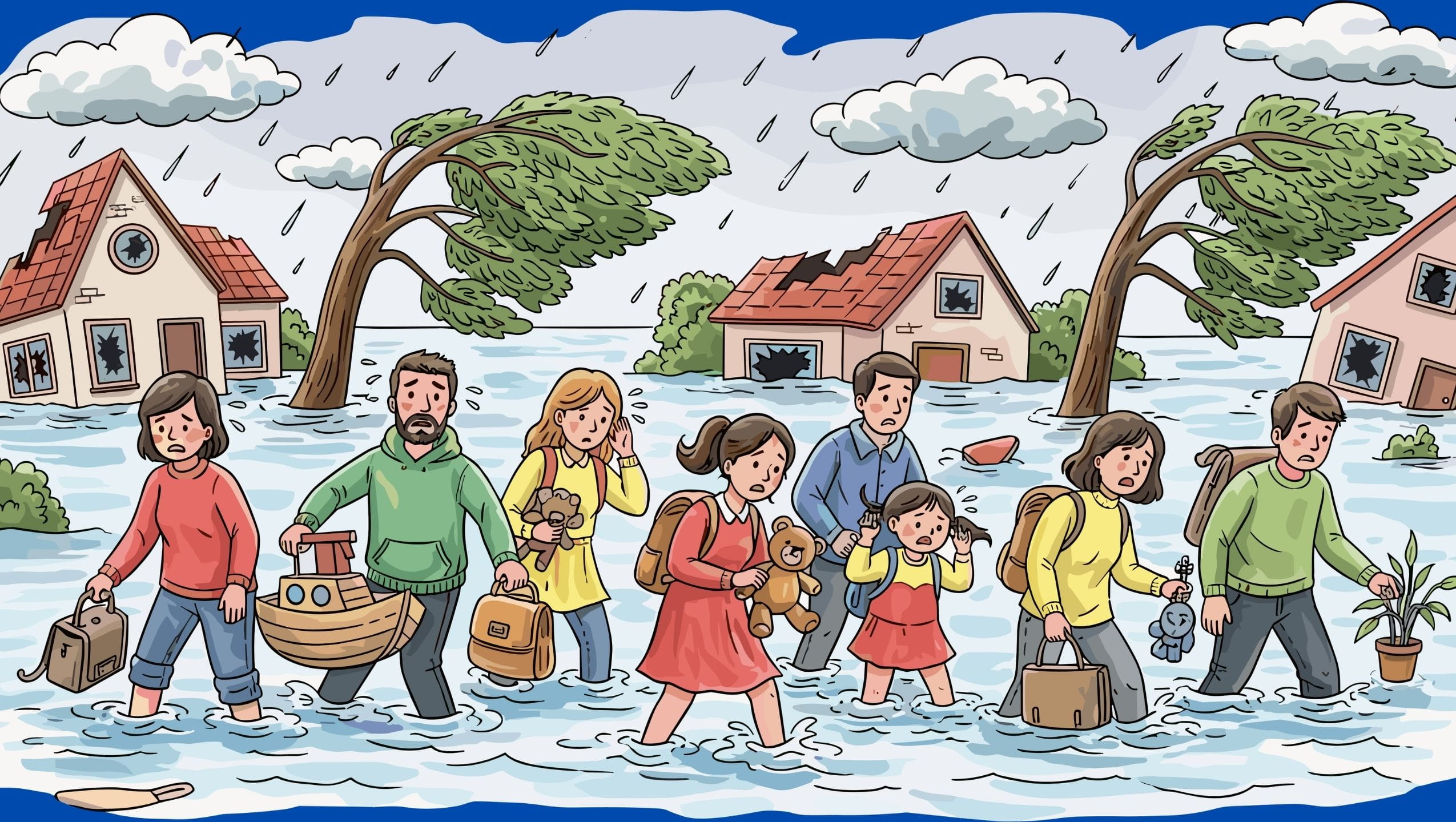
Natural Disaster Evacuation is a benefit available under some visitors’ insurance and travel medical insurance plans.
It may help arrange and pay eligible transportation expenses when a covered natural disaster makes the traveler’s location unsafe.
This benefit is different from Emergency Medical Evacuation. Medical evacuation is triggered by a life-threatening serious illness or injury.
Natural disaster evacuation is triggered by a covered environmental or natural event. However, coverage varies widely by policy.
Not every visitor’s insurance plan includes this benefit, and the geographic limits, covered events, benefit maximums, and evacuation requirements can differ.
What Is Natural Disaster Evacuation?
Natural disaster evacuation may help move an insured traveler away from an unsafe location after a covered natural disaster.
Depending on the policy, the traveler may be moved to:
- A designated safe location
- A safe departure point
- Another city or region
- Another destination specified by the assistance provider
- The home country in some circumstances
The exact destination depends on the policy.
In many visitors insurance plans, the insurer or emergency assistance provider must arrange or coordinate the evacuation.
What Events May Qualify?
The policy defines what counts as a natural disaster. Depending on the plan, covered events may include:
- Hurricanes
- Earthquakes
- Floods
- Wildfires
- Tsunamis
- Tornadoes
- Volcanic eruptions
- Landslides
- Severe storms
- Other defined natural catastrophes
Do not assume every natural event is covered. Always check the policy definition.
How Does Natural Disaster Evacuation Work?
The process may look like this:
| Step | What Happens |
|---|---|
| 1 | A covered natural disaster occurs |
| 2 | The traveler contacts the emergency assistance provider |
| 3 | The situation and eligibility are reviewed |
| 4 | The assistance provider determines whether evacuation is necessary |
| 5 | Transportation is arranged or coordinated |
| 6 | The traveler is moved to an approved safe location |
| 7 | Eligible expenses are paid according to the policy |
In an immediate emergency, follow local government and emergency instructions first. Contact the insurance provider or assistance provider as soon as reasonably possible.
What Can Natural Disaster Evacuation Cover?
Coverage depends on the policy. Eligible expenses may include transportation required to move the traveler away from the affected location. Examples can include:
Ground Transportation
This may include transport to:
- An airport
- Evacuation point
- Safe departure location
- Other approved location
Commercial Transportation
The plan may use commercial transportation when available and appropriate. This could include economy-class air transportation.
Alternative Transportation
If ordinary transportation is unavailable, the assistance provider may use other appropriate transportation. This can include ground, sea, or charter transportation depending on the circumstances and policy.
Evacuation Coordination
A major part of the benefit can be assistance with:
- Finding available transportation
- Coordinating evacuation logistics
- Identifying safer locations
- Monitoring local conditions
- Communicating with the traveler
Some policies may also include related benefits such as temporary lodging or transportation after the evacuation. These should not be assumed to be included unless the policy specifically says so.
Example: Hurricane During a Visit to Florida
Suppose a visitor from India is staying in Florida. A major hurricane threatens the area, and local authorities issue evacuation instructions.
The traveler has a travel medical insurance policy with a natural-disaster evacuation benefit that applies to the situation. The traveler contacts the plan’s emergency assistance provider.
Depending on the policy, the provider may:
- Review the evacuation situation.
- Confirm whether the event qualifies.
- Identify an approved safe destination.
- Arrange or coordinate transportation.
- Pay eligible expenses according to the plan.
The exact process depends on the policy wording. A mandatory evacuation order alone does not automatically guarantee insurance coverage.
Does Natural Disaster Evacuation Cover Visitors Within the USA?
This is especially important for visitors’ insurance.
Not every natural disaster evacuation benefit applies in the same geographic area. Some policies may provide coverage for an international visitor while traveling in the United States.
Other policies may restrict natural disaster evacuation to travel outside certain countries or exclude evacuation within the United States.
Therefore, do not assume that a plan has this benefit simply because it includes emergency evacuation. Before buying, check:
- Whether natural disaster evacuation is included
- Whether it applies in the USA
- Geographic exclusions
- Benefit maximum
- Covered events
- Assistance-provider requirements
This is one benefit where the policy wording matters greatly.
Does a Mandatory Evacuation Order Have to Be Issued?
It depends on the plan. Some policies may require an official evacuation order or government action.
Others may allow the assistance provider to determine that evacuation is necessary based on local authorities, security information, or conditions at the destination. Therefore, do not assume that every policy uses the same trigger. Check the benefit wording.
Who Arranges the Evacuation?
In many plans, the emergency assistance provider plays a central role. The provider may determine:
- Whether evacuation qualifies
- When evacuation should occur
- Which transportation should be used
- Where the traveler should be moved
This matters because independently arranging transportation can affect reimbursement. If circumstances allow, contact the assistance provider before making your own evacuation arrangements.
Are Self-Arranged Evacuation Costs Covered?
Not always. Some plans require evacuation to be arranged or approved by the insurer or assistance provider. If a traveler independently books:
- Flights
- Charter transportation
- Ground transportation
- Boats
- Other evacuation services
the expense may not qualify. However, emergencies can develop quickly. Review the policy for rules covering situations where contacting the assistance provider is impossible.
What Natural Disaster Evacuation May Not Cover
Exclusions vary by plan. Common limitations can include:
Voluntary Departure
Leaving an area because you are worried about weather does not necessarily qualify as a covered evacuation.
Events That Started Before Coverage
A disaster that was already occurring or known before coverage began may not qualify.
Normal Transportation
If the traveler can leave safely using ordinary transportation, a specialized evacuation benefit may not apply.
Self-Arranged Expenses
Transportation arranged without required approval may not be covered.
Medical Treatment
Natural disaster evacuation generally pays for evacuation-related expenses. Medical treatment for an illness or injury is handled under the medical benefits of the policy.
Property Damage
Damage to luggage, vehicles, hotels, or other property is not normally the purpose of this benefit.
Routine Weather Problems
A delayed flight due to poor weather is different from a natural disaster evacuation covered under the policy.
Does Natural Disaster Evacuation Cover Hotels?
Sometimes, but not always. Certain policies may include limited lodging expenses following an evacuation. Others may cover transportation only.
Do not assume that hotel, meals, or other living expenses are included. Check the ‘schedule of benefits’ and policy wording.
Natural Disaster Evacuation vs Emergency Medical Evacuation
These benefits solve different problems.
| Feature | Natural Disaster Evacuation | Emergency Medical Evacuation |
|---|---|---|
| Main trigger | Covered natural disaster | Covered illness or injury |
| Primary purpose | Move traveler away from danger | Move traveler to get appropriate medical care |
| Reason for transport | Environmental safety | Medical necessity |
| Destination | Safe location defined by policy/provider | Appropriate medical facility |
| Medical condition required? | Generally no | Yes |
| Assistance provider involved? | Often | Often |
A traveler may need both benefits during the same trip, but they remain separate forms of coverage.
Natural Disaster Evacuation vs Trip Interruption
These benefits should also not be confused. Natural disaster evacuation focuses on getting travelers away from a dangerous location.
Trip interruption generally covers eligible financial losses or transportation when a trip must end early for a covered reason.
Visitors insurance is primarily travel medical coverage, so trip-interruption benefits may be limited or may not be included in some plans. Check each benefit separately.
Why Can This Benefit Matter?
Natural disasters can disrupt:
- Roads
- Airports
- Public transportation
- Communications
- Hotels
- Local services
International visitors may also be unfamiliar with evacuation routes and emergency procedures.
A natural disaster evacuation benefit can provide two forms of help:
Financial Assistance
Eligible emergency transportation expenses may be covered up to the policy limit.
Logistical Assistance
The emergency assistance provider can help coordinate transportation and identify an appropriate safe location.
During a rapidly changing emergency, logistical assistance can be as important as the financial benefit.
U.S. Destinations Where Travelers Should Pay Attention to Natural Hazards
Different parts of the United States face different hazards.
| Region | Potential Natural Hazards |
|---|---|
| Florida and Gulf Coast | Hurricanes, flooding |
| California | Wildfires, earthquakes |
| Hawaii | Volcanic activity, tropical storms |
| Western USA | Wildfires |
| Midwest and South | Tornadoes and severe storms |
| Coastal regions | Hurricanes, flooding, severe storms |
This does not mean travelers to these areas necessarily need a particular evacuation benefit. It means they should understand the risks at their destination and check what their insurance actually covers.
What Should You Check Before Buying?
If natural disaster evacuation matters to your trip, check:
- Is the benefit included?
- Does it apply to travel in the USA?
- What events meet the definition of a natural disaster?
- What is the maximum benefit?
- Is an official evacuation order required?
- Who decides whether evacuation is necessary?
- Must the assistance provider arrange transportation?
- Are self-arranged expenses ever reimbursed?
- Where can the traveler be evacuated?
- Is repatriation included?
- Is temporary lodging included?
- Are there geographic exclusions?
- Does the plan provide 24/7 emergency assistance?
The benefit name alone does not tell you how the coverage works.
If a Natural Disaster Happens
If you are caught in a serious natural disaster:
- Follow instructions from local authorities.
- Move away from immediate danger.
- Contact emergency services when needed.
- Contact your insurance assistance provider as soon as reasonably possible.
- Keep your policy number available.
- Follow the evacuation arrangements provided.
- Keep receipts and documents for any approved expenses.
Insurance should never delay an immediate safety response.
Natural Disaster Evacuation: Key Takeaway
Natural Disaster Evacuation can help an insured traveler move away from an unsafe location when a covered natural catastrophe occurs. However, this is a highly policy-specific benefit.
Plans can differ on:
- Covered disasters
- Geographic eligibility
- Benefit limits
- Evacuation triggers
- Approved destinations
- Assistance-provider requirements
- Lodging
- Repatriation
- Self-arranged transportation
For visitors to the USA, the most important question is not simply: “Does this policy mention Natural Disaster Evacuation?”
It is: “How does the benefit apply to my destination, and what must happen before the plan will pay?”
Review the actual policy wording before relying on the benefit.
Frequently Asked Questions
Does Visitors Insurance Cover Natural Disaster Evacuation?
Some plans do. However, the benefit is not included in every visitors insurance policy.
Does Natural Disaster Evacuation Cover Hurricanes?
It may if hurricanes fall within the policy’s definition of a covered natural disaster and the other benefit requirements are met.
Does It Cover Wildfires?
Some policies may cover evacuation caused by wildfires. Check the policy definition and evacuation requirements.
Does the Insurer Pay for a Flight Home?
Not automatically. Some policies may include repatriation or economy transportation after an evacuation. Others may only cover transportation to a safe location.
Can I Evacuate Myself and Claim the Cost Later?
Possibly, but do not assume so. Some plans require the assistance provider to arrange or approve the evacuation.
Does It Cover Hotel Costs?
It depends. Some policies may provide limited lodging benefits, while others do not.
Is Natural Disaster Evacuation the Same as Medical Evacuation?
No. Natural disaster evacuation responds to environmental danger. Emergency medical evacuation responds to a medical need.
Is an Evacuation Order Always Required?
No universal rule applies. The trigger depends on the policy.