Adventure Sports Coverage in Visitors Insurance
Adventure sports coverage in visitors insurance helps protect travelers against eligible medical expenses resulting from injuries sustained while participating in certain recreational or adventure activities during their stay in the United States.
If you’re planning to go skiing in Colorado, rafting in the Grand Canyon, scuba diving in Florida, or hiking in a national park in California, it’s important to check whether your visitors insurance covers the activities you intend to enjoy.
Some travel medical insurance plans include certain recreational sports under their standard medical benefits. Others exclude activities considered hazardous or require additional adventure sports coverage.
An injury during an excluded activity could leave you responsible for medical expenses that your insurance would otherwise cover.
This guide explains how adventure sports coverage works, which activities may be covered, common exclusions, and what to check before purchasing visitors insurance for your trip to the USA.
What Is Adventure Sports Coverage in Visitors Insurance?
Adventure sports coverage is a benefit available under some visitors insurance and travel medical insurance policies that covers eligible medical expenses arising from accidental injuries during specified adventure or recreational activities.
Depending on the policy, this coverage may be included in the standard benefits or offered as an optional add-on for an additional premium.
For example, a visitor who suffers a fracture while participating in a covered skiing activity may be eligible for emergency treatment, diagnostic tests, hospitalization, and other medically necessary care, subject to the policy’s terms.
However, purchasing adventure sports coverage does not mean every sporting activity or injury is covered.
Each policy has its own definitions of recreational sports, adventure sports, hazardous activities, and excluded activities. Some policies also impose restrictions relating to age, experience, equipment, location, or how an activity is conducted.
Before purchasing insurance, confirm that your planned activity is covered under the specific policy you are considering.
Do You Need Adventure Sports Coverage?
Whether you need additional adventure sports coverage depends on the activities you plan to participate in and the benefits already included in your visitors insurance policy.
For example, ordinary hiking on a designated trail may be covered under a policy’s standard medical benefits, while technical mountain climbing may be excluded.
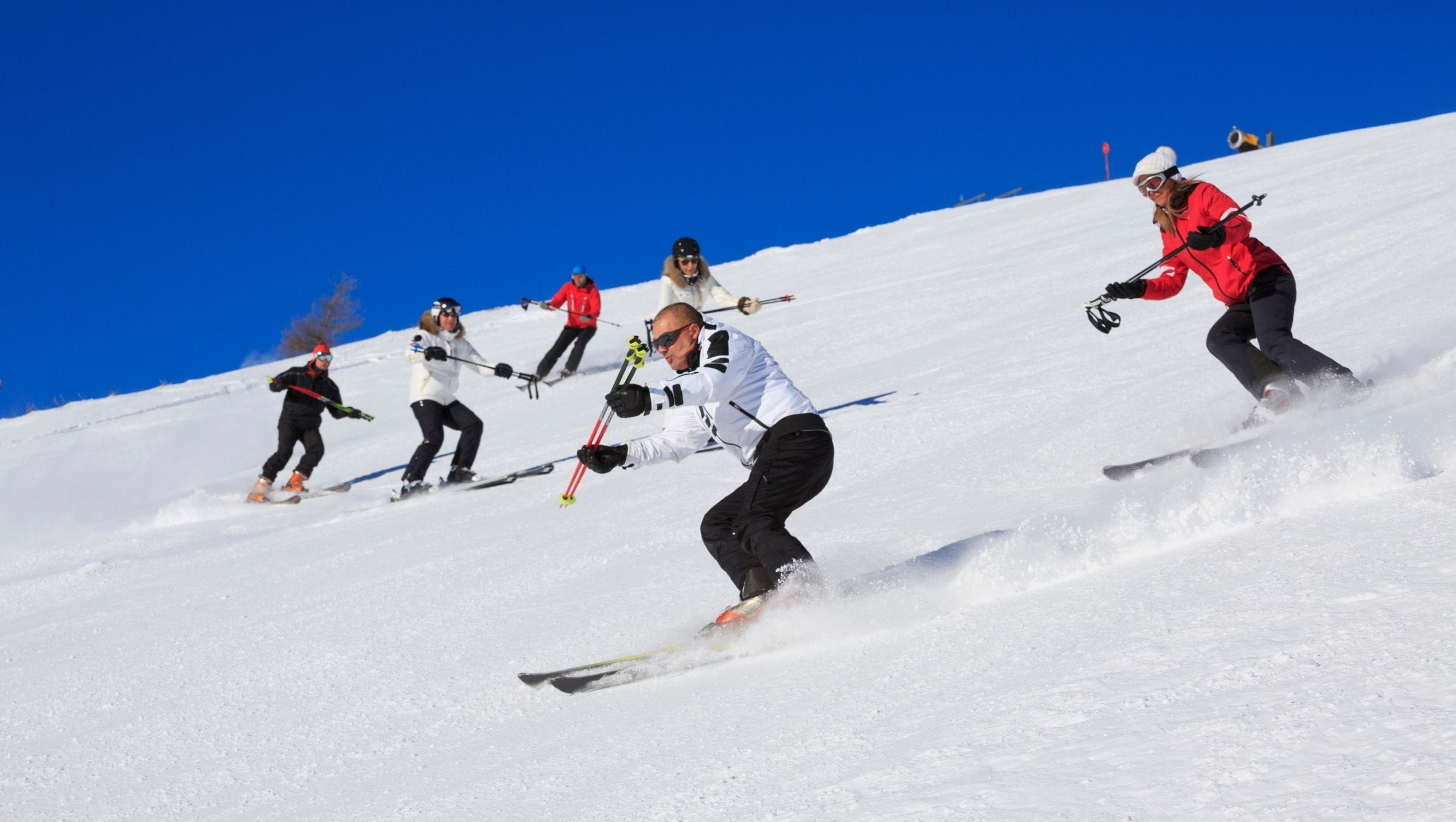
Similarly, a policy may cover recreational skiing on marked resort slopes but exclude backcountry skiing, competitive skiing, or skiing in areas closed to the public.
If you plan to participate in activities such as skiing, scuba diving, rock climbing, white-water rafting, or ziplining, check whether your insurance specifically covers those activities.
If your standard policy excludes a planned activity, look for a visitors insurance plan that includes it or offers an appropriate adventure sports benefit.
The important question is not whether your policy advertises adventure sports coverage, but whether it covers the particular activity you intend to participate in.
Which Adventure Sports May Be Covered by Visitors Insurance?
Visitors insurance policies may cover a variety of recreational and adventure activities. However, coverage depends on the insurer’s definitions, the specific policy, and any applicable restrictions.
The following table highlights activities travelers commonly ask about and the conditions worth checking before purchasing insurance.
| Adventure activity | What to check in your insurance policy |
|---|---|
| Hiking and trekking | Whether the policy restricts altitude, terrain, technical climbing, or travel outside designated trails. |
| Skiing and snowboarding | Whether recreational skiing on marked slopes is covered and whether backcountry skiing, freestyle activities, or competitions are excluded. |
| Scuba diving | Permitted diving depth, certification requirements, supervision, and exclusions for technical or cave diving. |
| White-water rafting | Whether coverage is restricted by river difficulty, participation conditions, or the use of approved operators. |
| Rock climbing | Whether indoor climbing, outdoor climbing, or climbing requiring ropes and specialized equipment is covered. |
| Ziplining | Whether recreational ziplining is included and whether any operator or supervision requirements apply. |
| Mountain biking | Whether the policy distinguishes recreational cycling from downhill racing, competitive events, or hazardous terrain. |
| Kayaking and canoeing | Whether coverage depends on water conditions, location, or the type of activity. |
| Surfing and paddleboarding | Whether recreational participation is covered and whether competitions or other activities are excluded. |
| Horseback riding | Whether recreational riding is covered and whether racing or competitive events are excluded. |
This table does not confirm that any listed activity is covered by a particular insurance plan.
An activity included under one policy may be excluded under another. Even when a sport is covered, the policy may impose additional restrictions.
For example, scuba diving may be covered only within a specified depth limit, while skiing coverage may apply only on marked resort slopes.
If your planned activity is not clearly addressed in the policy wording, ask the insurance provider for written clarification before purchasing coverage.
What Does Adventure Sports Coverage Include?
When an injury occurs during a covered activity, adventure sports coverage may provide benefits for eligible medical expenses under your visitors insurance policy.
The available benefits depend on the policy’s medical coverage limits, deductibles, coinsurance, exclusions, and any separate limits that apply to adventure sports.
Emergency Medical Treatment
If you suffer an injury while participating in a covered adventure activity, your policy may pay eligible expenses for emergency medical treatment.
Depending on the plan, this may include doctor consultations, emergency room treatment, diagnostic tests, X-rays, prescription medication, surgery, and other medically necessary services.
For example, if you fracture your wrist while skiing and the activity is covered by your policy, eligible expenses for emergency treatment and follow-up care may be covered.
The amount payable will depend on the policy’s terms and the circumstances of the accident.
Hospitalization and Surgery
Some adventure sports injuries require hospitalization or surgery.
If your policy covers the activity and resulting injury, eligible hospitalization expenses may include hospital accommodation, operating room charges, specialist consultations, diagnostic tests, and medically necessary treatment.
Check whether the policy applies a separate benefit limit to adventure sports injuries.
A plan with a high overall medical coverage limit may still have a lower limit for injuries associated with certain activities.
Ambulance Services
An adventure sports accident may require transportation to a hospital or another appropriate medical facility.
Depending on the policy, medically necessary ground or air ambulance services may be covered following an eligible injury.
However, ambulance coverage should not be confused with wilderness rescue or emergency medical evacuation. These benefits may have different definitions and restrictions.
Emergency Medical Evacuation
Emergency medical evacuation may cover eligible transportation when a serious injury requires medically necessary movement to an appropriate medical facility or another destination permitted under the policy.
For example, an injured traveler may require specialized medical transportation if suitable treatment is unavailable locally.
However, adventure sports coverage does not automatically extend every medical evacuation benefit to injuries arising from sporting activities.
Check whether evacuation following your planned activity is covered, whether prior authorization is required, and whether a separate benefit limit applies.
Follow-Up Medical Treatment
Some policies cover medically necessary follow-up care related to a covered adventure sports injury.
Depending on the policy, this may include specialist consultations, diagnostic tests, prescription medication, and certain rehabilitation services.
Follow-up treatment may be subject to the policy period, medical necessity requirements, benefit limits, and other restrictions.
Do not assume that treatment will continue to be covered after your insurance expires or after you return to your home country.
Does Adventure Sports Coverage Include Search and Rescue?
Not necessarily.
Search and rescue, emergency medical evacuation, and ambulance transportation are different services, and insurance policies may treat them as separate benefits.
Understanding the difference is particularly important if you plan to participate in activities in remote or mountainous areas.
| Service | What it generally involves |
|---|---|
| Search and rescue | Locating and rescuing a person who is lost, stranded, or injured, potentially involving specialized rescue teams. |
| Emergency medical evacuation | Medically necessary transportation of an injured or ill person to an appropriate medical facility or another destination covered by the policy. |
| Ambulance transportation | Medically necessary ground or air transportation, subject to the policy’s ambulance benefits. |
For example, if you suffer an injury while hiking in a remote area, emergency personnel may need to locate you and transport you to a place where medical treatment is available.
Your visitors insurance may cover eligible medical treatment but exclude some or all of the expenses associated with locating or rescuing you.
If you plan to hike in remote areas, participate in mountaineering, or undertake activities where specialized rescue may be necessary, check whether your policy includes search-and-rescue benefits.
Also review the coverage limits, authorization requirements, and any restrictions relating to the activity or location.
What Activities and Expenses May Be Excluded?
Adventure sports coverage does not provide unlimited protection for every recreational or high-risk activity.
Some travel insurance policies exclude certain sports entirely, while others cover them only under specified conditions.
Professional and Competitive Sports
Insurance policies may exclude injuries arising from professional sports, organized competitions, tournaments, racing, or training for competitive events.
For example, a plan that covers recreational cycling may exclude injuries sustained during a competitive mountain biking event.
If you’re participating in a sporting competition, check whether your policy covers that specific type of event.
Extreme and High-Risk Activities
Certain activities may be excluded even when a policy offers adventure sports coverage.
Depending on the policy, these may include BASE jumping, wingsuit flying, free solo climbing, cave diving, technical mountaineering, or other activities classified as hazardous.
Some policies may cover selected higher-risk activities under specific conditions, while others exclude them altogether.
Do not rely on the general term “adventure sports” to determine whether an activity is covered.
Activities Outside Policy Conditions
Some sports are covered only when specific conditions are met.
For example, a policy may restrict skiing to marked resort slopes, require scuba divers to remain within specified depth limits, or impose conditions on climbing activities.
An injury occurring outside those conditions may not qualify for coverage.
Review the policy’s activity restrictions before participating.
Alcohol or Drug-Related Injuries
Some insurance policies exclude injuries arising from activities undertaken while under the influence of alcohol or drugs, subject to the policy’s wording and applicable conditions.
Review these exclusions carefully, particularly if you plan to participate in organized recreational activities or excursions.
Sporting Equipment
Adventure sports medical coverage generally focuses on eligible injuries rather than damage to sporting equipment.
If you are traveling with expensive skis, a snowboard, diving equipment, or other sporting gear, check whether separate baggage or equipment benefits are available.
Coverage for damaged, lost, or stolen equipment should not be assumed simply because your insurance includes adventure sports benefits.
How Much Does Adventure Sports Coverage Cost?
The cost of adventure sports coverage depends on the insurance policy, the activities covered, your age, coverage duration, and the benefits you select.
Some visitor insurance plans include certain recreational sports under their standard medical benefits without requiring an additional purchase.
Other policies offer adventure sports coverage as an optional add-on, which may increase your premium.
The cost may also depend on whether the policy offers separate adventure sports benefit limits or additional protection for specific activities.
When comparing insurance options, consider both the premium and the benefits available for your planned activities.
A policy with a lower premium may have a lower adventure sports coverage limit or exclude activities included in another plan.
For an accurate comparison, request quotations using the same travel dates, insured persons, and coverage requirements.
How to Choose Visitors Insurance for Adventure Sports
Before purchasing visitors insurance for your trip to the United States, identify the activities you plan to participate in and compare the relevant policy benefits.
The following steps can help you avoid purchasing coverage that does not meet your needs.
1. Confirm That Your Planned Activity Is Covered
Start by identifying the sports and recreational activities you expect to participate in during your trip.
Check whether each activity is covered under the standard medical benefits, an adventure sports benefit, or an optional add-on.
If an activity is not clearly included, ask the insurance provider for clarification.
Do not assume that all activities at a ski resort, national park, or adventure recreation facility are covered simply because the policy includes adventure sports benefits.
2. Check Activity-Specific Restrictions
Review the conditions that apply to each covered activity.
For example, skiing may be restricted to marked slopes, scuba diving may have depth or certification requirements, and climbing may be subject to altitude or equipment restrictions.
Make sure your planned participation falls within the policy’s permitted conditions.
3. Compare Medical Coverage Limits
Review the policy’s overall medical coverage limit and any separate limits that apply to adventure sports injuries.
A covered activity may have a benefit limit lower than the policy’s maximum medical coverage.
Also compare deductibles, coinsurance, and other expenses you may have to pay when receiving treatment.
4. Review Emergency Evacuation and Rescue Benefits
Adventure activities may take place in locations where medical facilities are not immediately accessible.
If your plans involve remote hiking, skiing, mountaineering, or other activities where specialized transportation may be required, review the policy’s emergency evacuation and search-and-rescue provisions.
Check whether these services are included, how much coverage is available, and whether any authorization requirements apply.
5. Check Age and Participation Restrictions
Some adventure sports benefits may have eligibility restrictions based on the insured person’s age or the type of activity.
Other policies may require participants to hold certain certifications, use appropriate equipment, or participate under specified conditions.
Check these requirements before purchasing insurance.
6. Understand the Claims Process
Find out how to obtain medical assistance and submit an insurance claim if you are injured during a covered activity.
Check whether the insurance provider requires notification or preauthorization for hospitalization, emergency transportation, or other major treatment.
Keep your policy information accessible while traveling, particularly if you plan to participate in activities away from major cities.
Example: A Visitor Is Injured While Skiing in Colorado
Consider a visitor from Australia who purchases visitors’ insurance before traveling to Colorado.
The traveler plans to spend several days skiing at a mountain resort and selects a policy that includes recreational skiing on marked slopes.
While skiing on an open, designated slope, the traveler falls and fractures a wrist.
The injury requires medical attention, including X-rays, an orthopedic consultation, and possibly surgery.
If the policy covers the skiing activity and the resulting injury, eligible medical expenses may be covered according to its terms.
However, the traveler may still need to pay the applicable deductible, coinsurance, or charges exceeding the policy’s benefit limits.
Now consider a different situation in which the traveler skis in an area that has been closed to the public.
If the policy restricts coverage to designated, open ski slopes, an injury sustained in a prohibited area may fall outside the policy’s covered activities.
The important distinction is that coverage depends on the circumstances of the accident and the policy’s specific terms.
The same principle applies to other adventure activities, including scuba diving, rafting, climbing, and mountain biking.
What Should You Do If You Get Injured During an Adventure Activity?
If you are injured while participating in an adventure activity during your visit to the United States, your immediate priority should be getting appropriate medical care.
Step 1: Seek Medical Assistance
Stop participating in the activity and seek medical attention.
For a serious injury or medical emergency, call 911 or contact local emergency services.
If you are in a remote location, follow the instructions of emergency responders or qualified rescue personnel.
Do not delay necessary emergency treatment while attempting to confirm insurance coverage.
Step 2: Contact Your Insurance Provider
Once it is safe to do so, contact your insurance provider or its emergency assistance service.
Explain the nature of your injury, where the accident occurred, and the activity you were participating in.
For hospitalization, surgery, emergency evacuation, or other major treatment, check whether your policy requires notification or preauthorization.
Step 3: Keep Your Medical Records
Retain your medical reports, itemized bills, prescriptions, diagnostic test results, and payment receipts.
You may also need documentation relating to the activity, such as a booking confirmation, incident report, or information from the activity operator.
These records can help establish the circumstances of the accident and support your insurance claim.
Step 4: Submit Your Claim
Follow your insurance provider’s instructions for submitting a claim.
Depending on the policy and healthcare provider, medical expenses may be billed directly to your insurer, or you may need to pay upfront and request reimbursement.
Submit the required documents within the applicable deadlines and retain copies for your records.
Before You Buy Visitors Insurance for Adventure Sports
Adventure sports coverage can provide valuable medical protection if you plan to participate in recreational activities during your visit to the United States.
However, insurance benefits vary between policies, and not every activity is automatically covered.
Before buying visitors insurance, confirm that your planned activities are included, check any participation restrictions, and compare medical coverage limits, deductibles, emergency evacuation benefits, and exclusions.
If you intend to participate in activities in remote areas, pay particular attention to search-and-rescue coverage and the conditions that apply to emergency transportation.
Choosing a policy that explicitly covers your intended activities can help reduce the risk of unexpected medical expenses if an accident occurs during your trip.
Remember that the insurance policy’s terms and conditions determine which injuries, activities, and expenses qualify for coverage. Verify those details before your trip rather than assuming that an advertised adventure sports benefit covers every recreational activity.
Frequently Asked Questions About Adventure Sports Coverage
Does Visitors Insurance Cover Adventure Sports?
Some visitors insurance policies cover specified adventure or recreational sports, either under their standard medical benefits or through an additional coverage option.
However, coverage varies between plans. Check whether your intended activity is included and whether any participation restrictions apply.
Is Adventure Sports Coverage Included in Every Visitors Insurance Plan?
No. Some plans include selected recreational activities under their standard benefits, while others offer adventure sports coverage as an optional add-on or exclude certain hazardous activities.
Review the policy wording before purchasing insurance.
Does Visitors Insurance Cover Skiing and Snowboarding?
Some visitors insurance policies cover recreational skiing and snowboarding under specified conditions.
Coverage may be restricted to marked resort slopes, while backcountry skiing, competitive events, or activities in prohibited areas may be excluded.
Confirm the permitted activities and locations before your trip.
Is Scuba Diving Covered by Visitors Insurance?
Scuba diving may be covered under certain visitors insurance plans, subject to policy conditions.
Restrictions may include maximum diving depth, certification requirements, supervision, or exclusions for technical and cave diving.
Check the specific policy before participating.
Does Visitors Insurance Cover Hiking and Mountain Climbing?
Some policies cover ordinary hiking and recreational trekking under their standard medical benefits.
However, technical mountaineering, glacier travel, high-altitude expeditions, or climbing requiring specialized equipment may be subject to additional restrictions or exclusions.
Confirm that your planned activity and participation conditions are covered.
Does Adventure Sports Coverage Include Emergency Evacuation and Search and Rescue?
Not automatically.
Emergency medical evacuation and search-and-rescue services may be covered under separate benefits, with different limits and conditions.
Check whether your policy includes these services and whether coverage applies to injuries resulting from your planned adventure activity.
Can I Add Adventure Sports Coverage After Purchasing Visitors Insurance?
It depends on the insurance policy.
Some plans allow eligible coverage changes, while others require adventure sports benefits to be selected when the policy is purchased or before coverage begins.
Confirm the applicable rules and effective date before participating in an activity.
Does Adventure Sports Coverage Pay for Damaged Sporting Equipment?
Adventure sports medical coverage generally focuses on eligible medical expenses resulting from injuries.
Damage to sporting equipment may require separate baggage or equipment coverage.
Check the policy’s benefits and exclusions if you are traveling with expensive sporting gear.
Does Adventure Sports Coverage Increase the Insurance Premium?
It may.
Some policies include certain recreational sports under their standard benefits, while others charge an additional premium for adventure sports coverage.
Compare the total premium, covered activities, medical benefit limits, and applicable exclusions before selecting a plan.
Does Adventure Sports Coverage Apply to Professional Athletes?
Some policies exclude professional sports, competitive events, or training for competitions.
If you plan to participate in a professional or organized sporting event, confirm whether the specific activity is eligible for coverage.
What Happens If My Planned Activity Is Not Listed in the Policy?
An activity that is not listed is not necessarily excluded, but you should not assume it is covered.
Check the policy’s definitions of covered and excluded activities. If coverage remains unclear, request written confirmation from the insurance provider before participating.