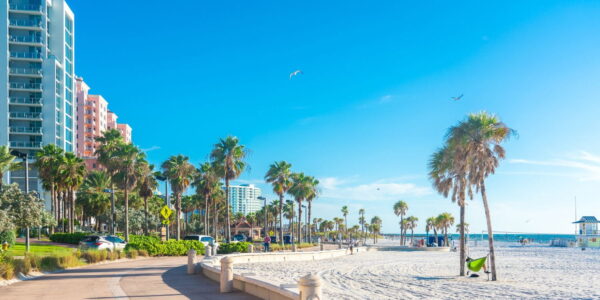
Best Time to Visit USA: When to Go by Region
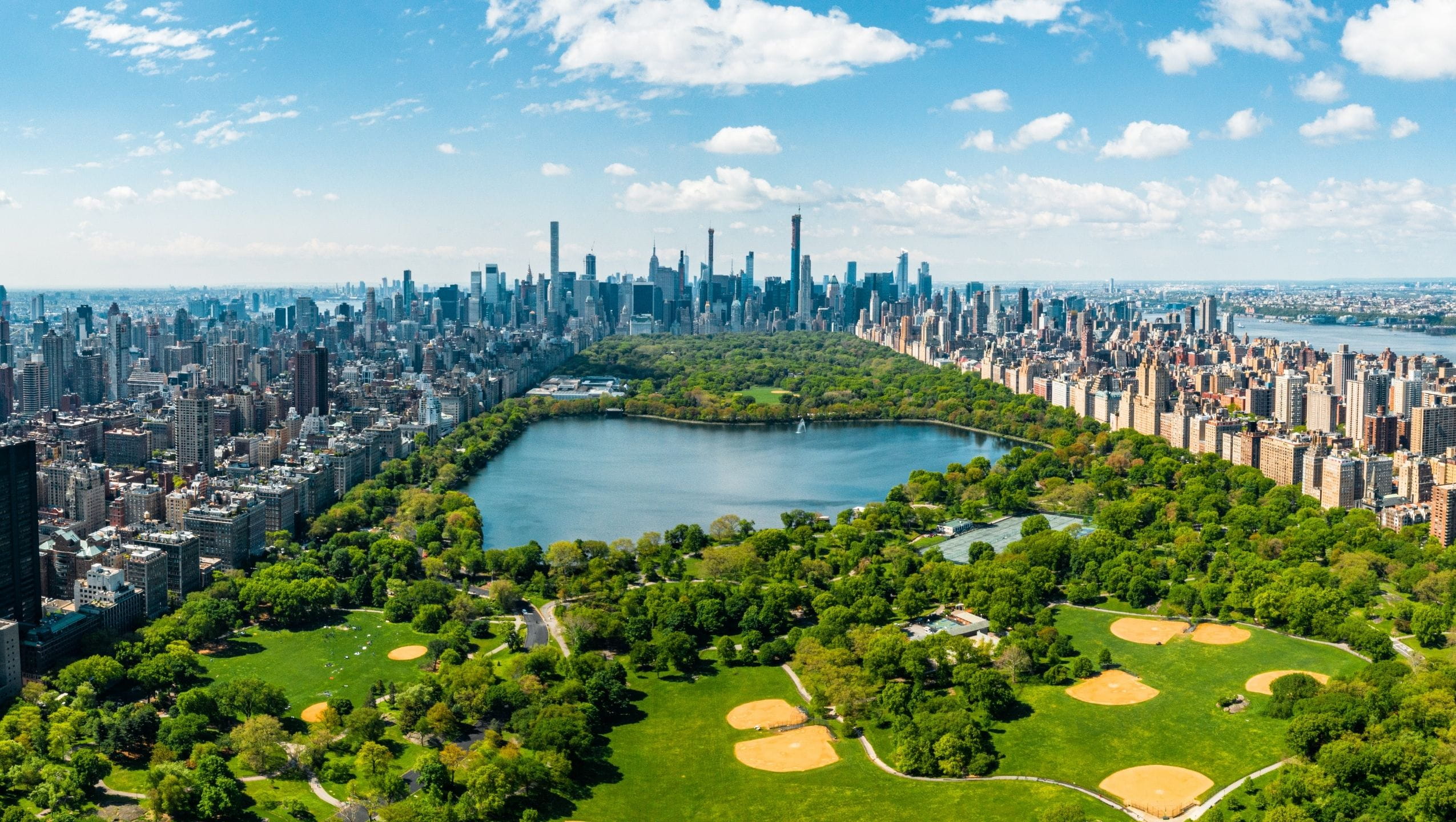
The best time to visit USA depends on where you are going.
USA is a large country. The United States covers many climates. So the best month for visiting New York may not be the best month for seeing the best of Alaska, Florida, or the Grand Canyon.
In general, the USA travel guide is:
- Spring is good for cities and mild-weather trips.
- Summer works well for Alaska and many national parks.
- Fall is popular for New England and California.
- Winter is good for Florida, Hawaii, and ski destinations.
Best Time to Visit USA at a Glance
| Season | Best For | Things to Consider |
|---|---|---|
| Spring | Cities, Southwest, Washington, D.C., California | Weather can still change quickly in northern areas |
| Summer | Alaska, Yellowstone, Yosemite, Chicago, Pacific Northwest | Crowds, higher prices, heat in southern and desert regions |
| Fall | New England, New York, Napa Valley, San Francisco | Cooler weather and seasonal closures in some mountain areas |
| Winter | Florida, Hawaii, ski resorts, holiday travel | Snow and travel delays in northern states |
There is no single best season for the whole country. Your route matters most, and the fact that the USA is a very large country adds complexity to trip planning.
Best Time to Visit Popular USA Destinations
| Destination | Popular Time to Visit | Why Travelers Go Then |
|---|---|---|
| New York City | Apr–Jun, Sep–Dec | Mild weather, fall season, holiday events |
| Boston & New England | May–Oct | Coastal travel and fall foliage |
| Niagara Falls | Jun–Aug | Warmer weather and full attraction access |
| Miami | Dec–Apr | Milder temperatures |
| Orlando | Year-round, busiest during school holidays | Theme parks and family travel |
| New Orleans | Feb–May | Mardi Gras, festivals, comfortable weather |
| Great Smoky Mountains | Summer and Oct | Hiking and fall color |
| Chicago | May–Sep | Lakefront activities, festivals, outdoor dining |
| Grand Canyon | Mar–May, Sep–Nov | More comfortable temperatures |
| Las Vegas | Mar–May, Sep–Nov | Milder daytime weather |
| Santa Fe | Sep–Oct | Pleasant weather and cultural events |
| Yellowstone | Jun–Sep | Best road and visitor-service access |
| Grand Teton | Jun–Sep | Hiking, wildlife, scenic drives |
| Colorado ski resorts | Dec–Mar | Ski and snowboard season |
| San Francisco | Sep–Nov | Mild, often clearer weather |
| Los Angeles | Spring and fall | Mild weather and fewer peak-season crowds |
| Yosemite | May–Sep | Better access and hiking conditions |
| Napa Valley | Aug–Oct | Harvest season |
| Seattle | Jul–Sep | Better outdoor weather |
| Alaska | Jun–Aug | Wildlife, cruises, long daylight hours |
| Hawaii | Year-round | Beaches, tropical climate, island travel |
Exact conditions vary each year. Always check current weather and local conditions before booking.
Best Time to Visit the USA by Season
Spring: March to May
Spring is a good time for:
- New York
- Washington, D.C.
- California
- Grand Canyon
- New Orleans
- Southwest road trips
Temperatures are often comfortable.
However, mountain areas may still have snow.
Summer: June to August
Summer is one of the busiest travel periods.
It works especially well for:
- Alaska
- Yellowstone
- Grand Teton
- Yosemite
- Chicago
- Pacific Northwest
However, the Southwest and desert regions can become extremely hot.
Fall: September to November
Fall is popular for:
- New England
- New York
- Great Smoky Mountains
- Napa Valley
- San Francisco
September and October can offer a good balance of weather and scenery.
Winter: December to February
Winter works well for:
- Florida
- Hawaii
- Colorado ski resorts
- Utah ski areas
- New York holiday travel
Northern states can experience snow, ice, and flight delays.
Best Time to Visit National Parks
| National Park | Better Travel Period | Main Consideration |
|---|---|---|
| Yellowstone | Jun–Sep | Most roads and services are open |
| Grand Teton | Jun–Sep | Hiking and wildlife season |
| Yosemite | May–Sep | Better access to more areas |
| Grand Canyon | Spring and fall | Summer heat can be severe inside the canyon |
| Great Smoky Mountains | Summer and fall | Popular for hiking and fall foliage |
| Hawaii Volcanoes | Year-round | Check volcanic activity and park alerts |
At the Grand Canyon, summer temperatures inside the canyon can exceed 100°F even when the rim is much cooler.
Best Time to Visit the USA for First-Time International Travelers
For many first-time visitors, spring and early fall are convenient choices.
April and May
Good for:
- Major cities
- Washington, D.C.
- California
- Southwest trips
September and October
Good for:
- New York
- New England
- California
- National parks
- Fall scenery
These months can offer comfortable weather across several popular destinations.
When Is the Cheapest Time to Visit the USA?
There is no single cheapest month. Prices vary by destination. Travel may cost less outside:
- Summer school holidays
- Thanksgiving
- Christmas
- New Year
- Spring break
- Major festivals
However, lower prices can come with trade-offs. Some attractions may have shorter hours or seasonal closures.
When Is the USA Most Crowded?
Busy periods often include:
- June to August
- Thanksgiving week
- Christmas and New Year
- Spring break
- Major holiday weekends
- Large festivals
National parks and theme parks can become especially busy.
Why International Visitors Should Consider Visitors Insurance
For international travelers, one of the most important planning considerations is travel medical insurance, also known as visitors insurance.
Medical care in the United States can be expensive. A doctor visit, emergency room visit, diagnostic test, or hospital stay can result in a large unexpected bill.
Visitors insurance is designed to help cover eligible medical expenses if you become unexpectedly sick or injured while visiting the USA.
Depending on the plan, coverage may include:
- Doctor visits
- Urgent care
- Emergency room treatment
- Hospitalization
- Surgery
- Prescription medication
- Ambulance services
- Emergency medical evacuation
Coverage varies by policy.
Always review:
- Medical coverage maximum
- Deductible
- Coinsurance
- PPO network
- Direct billing
- Pre-existing condition provisions
- Emergency medical evacuation
- Exclusions
How Destination and Season Can Affect Visitors Insurance Needs
Your travel route can influence which medical benefits deserve more attention.
| Travel Situation | Visitors Insurance Benefit to Review |
|---|---|
| Long stay in the USA | Medical coverage maximum and deductible |
| Parents or seniors visiting the USA | Medical maximum, deductible, pre-existing condition provisions |
| National parks or remote areas | Emergency medical evacuation |
| Alaska travel | Medical evacuation and remote-area treatment access |
| Ski trips | Adventure sports coverage |
| Hiking and outdoor trips | Activity exclusions and evacuation coverage |
| Multi-state road trips | Coverage throughout the USA and PPO network access |
| Major cities | PPO network and direct billing arrangements |
For example, a traveler staying in New York City may have easy access to major hospitals.
A traveler visiting Yellowstone, Alaska, or a remote mountain area may need to pay more attention to emergency medical evacuation.
Similarly, travelers planning to ski or engage in adventure activities should check whether those activities are covered or if you need add-on adventure sports coverage.
Best Time to Visit USA: Key Takeaway
There is no single best month to visit the entire United States. A simple way to plan is:
- Spring: cities and mild-weather trips
- Summer: Alaska and national parks
- Fall: New England and California
- Winter: Florida, Hawaii, and skiing
Choose your destinations first. Then pick the season that matches the weather, activities, crowds, and travel experience you want.